

Originally published in 2015
A 2014 report from the Association of Governing Boards summarized some of the routine challenges being confronted by these schools. “Today, in an era of rapid transformation, HBCUs face historic challenges as well as new obstacles. Questions about sustainability, cost, quality, and mission are among many of the perennial issues that will require greater attention and creative approaches and solutions now and into the future” (AGB.gov).
The report identified pressing concerns in areas of enrollment management, academic quality, infrastructure, federal and state policies, governance and leadership and financial viability, from sources of revenue to how these schools are spending money. In a recent Forbes Magazine editorial, the all too familiar commentary continued, when the director of the Center for College Affordability and Productivity, restated his prediction on the “demise of several hundred American colleges and universities over the next decade…No group of schools is more vulnerable than historically Black colleges and universities (HBCUs)”.
Despite these challenges, HBCUs soldier on to ensure student success and improve learning outcomes. There is no debate among members of the vast community of HBCU supporters that there must be change for these schools to evolve and continue to grow. The question then becomes – Grow how? Many potential solutions bring new debates. Should these schools actively pursue other potential target populations? Should they narrow academic offerings to focus on marketable, emerging niche programs? Should they refocus only on teacher education?
We believe the answers for HBCUs, as well as for any other struggling college or university — and there are many — is to make better connections between industry needs and workforce demands with their colleges and universities. That has been the driving force behind The HBCU Career Center for 15 years. We have focused solely on the career and professional development of students, alumni and staff within the broad diverse communities supported by these colleges and universities with a goal to do three specific things:
1. Proliferate a culture of understanding of the role that the Black community, primarily through HBCUs, has played in shaping and developing the professional US workforce. #ReSkillAmerica
2. Focus on the college to workplace pipeline by championing effective, relevant, timely and appropriate career programming on campuses to support diverse students and emerging new alumni. #CollegetoWorkPipeline
3. Support the professional growth of a diverse workforce through information sharing or advice on current workplace, career, HR and industry trends, practices and success habits. One interest here is how HBCUs themselves can become model workplaces, if they are to then produce and develop a future workforce. #WorkHabitoftheDay.
These are not new concepts. However, I argue that they have been forgotten concepts in the sense that many HBCU career centers, like centers at many other colleges and universities, have been underfunded and overlooked. (State of HBCU Career Centers 2012-2013). No surprise here, since career centers are often vulnerable to cuts during times of financial hardships. It is actually a very parallel practice to organizations that eliminate training and development for employees during economic downturns. Some see it as paradoxical, that at the time when it is even more necessary to build learning organizations, the tendency is to eliminate learning. However, I digress.
While the data shows that proportionally, HBCUs, despite their challenges have produced significant numbers of African American professionals, the raw numbers are still relatively small. The Journal of Black Studies reported in 2009 that approximately 65% of Black physicians are HBCU graduates (Abelman, Delessandro 2009). Dr. Marybeth Gasman, former University of Pennsylvania Professor and HBCU researcher, also states, “On account of these figures and others like them, HBCUs have been deemed responsible for creating the Black middle class.” (Drewry and Doermann 2001)
While this data is inspiring, let’s look closer. For example, although 65% of Black physicians might have attended a HBCU, Black doctors are still only 6% of the pool of doctors in the US despite Blacks being 13% of the population. I argue that there is definitely capacity among HBCUs to do more.
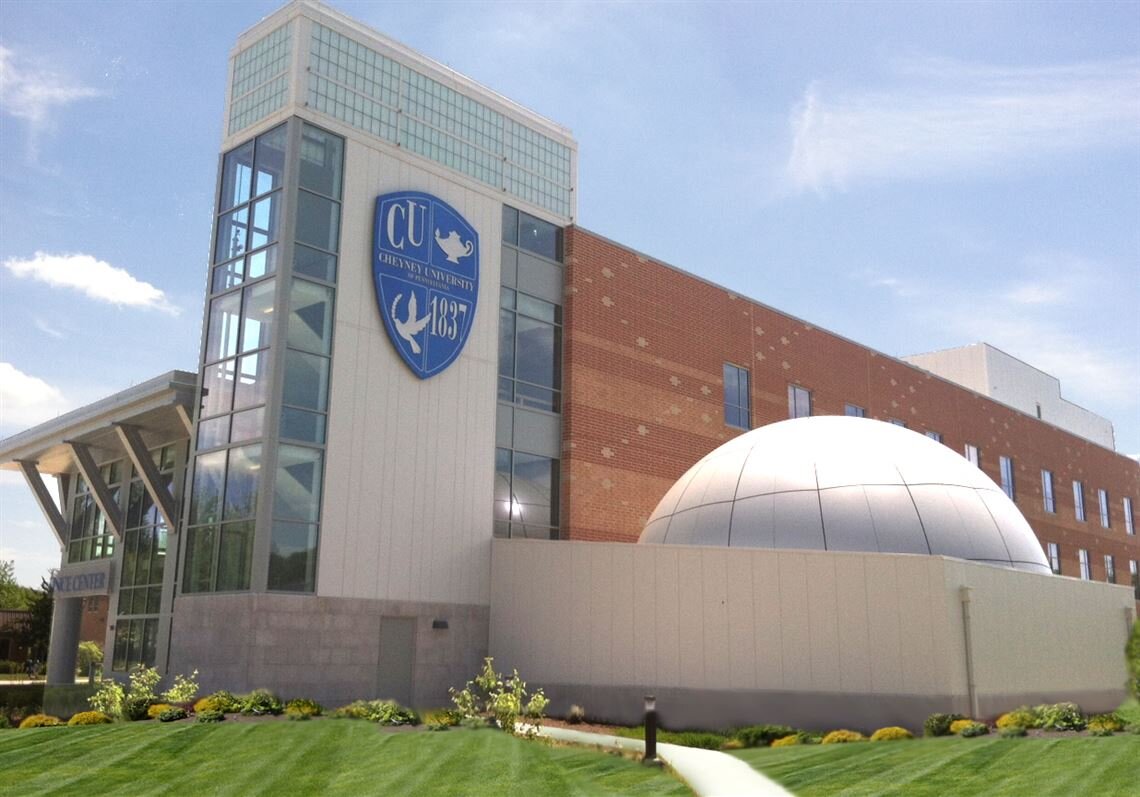
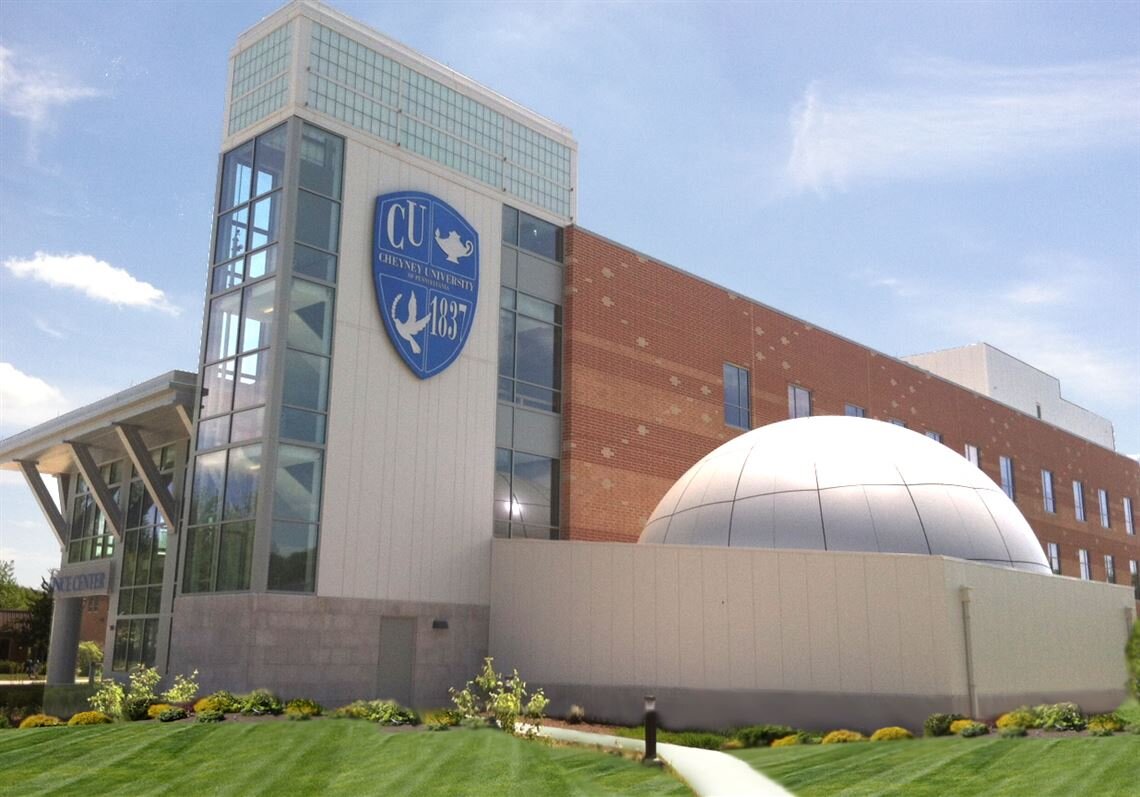
Let’s face it – the quest for sustainability of HBCUs has existed since the very founding of Cheyney University of Pennsylvania in 1837, as the Institute for Colored Youth, when West Indian born, former slave owner, Richard Humphreys, bequeath a sum of ten thousand dollars under the care of the Society of Friends to start a school. The goal of the school was “the benevolent design of instructing descendants of the African race in school learning, in the various branches of mechanic arts and trades and in agriculture in order to prepare, fit and qualify them to be teachers.” (Annual Report, 1914).
In the 1914 report on the state of the school, then known as Cheyney Training School for Teachers, Principal Leslie Pinckney-Hill said the school had “very definite needs which must be met if the institution is going to be made a thoroughgoing professional training center for Negro teachers. The most fundamental need is at least $350 000 more for endowment. The present endowment is inadequate to current needs.” (Annual Report, 1914). In addition to expanding the endowment, Pinckney-Hill sought funding for a dormitory, dining room, kitchen and monies to purchase agriculture equipment and a building to teach young men to farm land. He stated: “Cheyney desires to train a small group of young men each year to send into this wide and neglected field [of agriculture].”
Pinckney-Hill’s vision was that trained young men would disperse across America to teach the Black farmers how to improve productivity of their lands for their own viability and independent sustainability. “There is nowhere in the United States a really thoroughgoing training school for Negro teachers. Cheyney desires to seek this vast opportunity” (Annual Report, 1914).
Fast forward to 2015 and there is still a vast need for trained professionals, and HBCU’s, like Cheyney University, must figure out how to graduate more students who are career-ready or grad school-ready. Unlike periods in the nineteenth and twentieth centuries, HBCUs, are not the only option to educate and develop the skills of future generations of Black professionals. However, we need to keep reminding ourselves of the role that these schools have played in building the diverse US workforce to date and that work must continue.
Career programming, more closely aligned to workforce needs, is one sure way that HBCU’s can assert their role in the future. These schools must revisit their missions and like Pinckney-Hill did in 1914, espouse a vision to take advantage of the opportunities of the times. This will require innovative, creative leadership, willing to take the risk to challenge the status quo. These schools must embrace the pioneering spirit of founders who charted their early course to educate the few, who could then in turn educate and represent the many to build our larger society, as a professional workforce is bound to do.
In conclusion, failing to implement broad, interdisciplinary, initiatives that disrupt the status quo on HBCU campuses will definitely ensure that many struggling schools will soon become closed schools.
As Dr. Marc Lamont-Hill said, “To be certain, the declining significance of the HBCU is a tragedy for the Black community. In addition to being a historical signpost of highbrow Black intellection, the HBCU must play a vital role in creating a self-sustaining Black community in the future. In order to do this, however, we must acknowledge these issues and work to change them.”
References
Abelman, R & Delassandro, A. (2009). The Institutional Vision of Historically Black Colleges and Universities: Journal of Black Studies, 40, 105-134
Arroyo, A. T., & Gasman, M. (September 18, 2014). An HBCU-Based Educational Approach for Black College Student Success: Toward a Framework with Implications for All Institutions. American Journal of Education, 4, 0.
Annual report of the Cheyney Training School for Teachers (Institute for Colored Youth) 1914/1915 (1913). Named changed in 1934 to: State Teachers College at Cheyney.
