

October’s Night time Sky Notes: Let’s Progress, LIGO!
R. Harm/Caltech-JPL
via Kat Troche of the Astronomical Nation of the Pacific
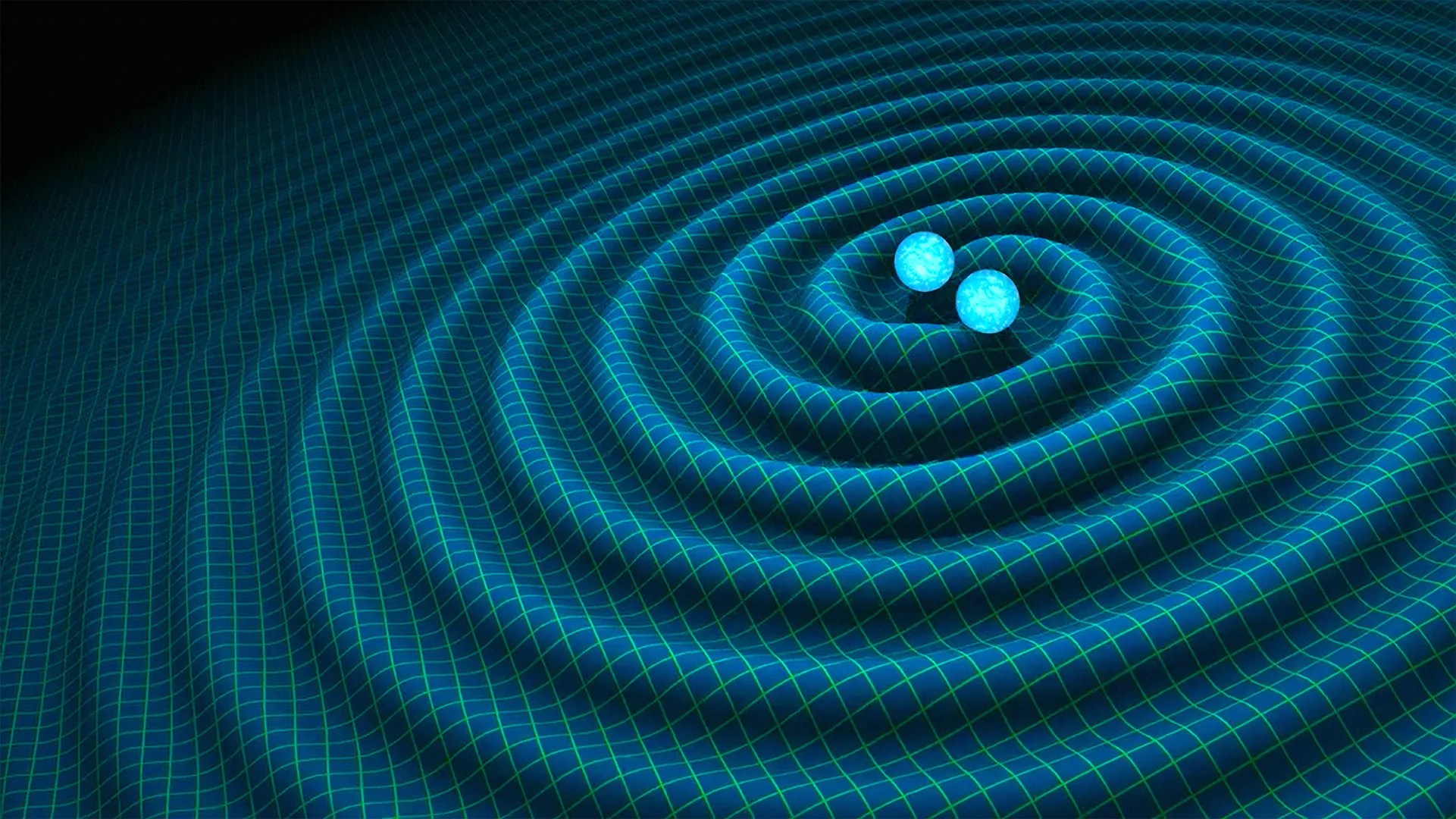
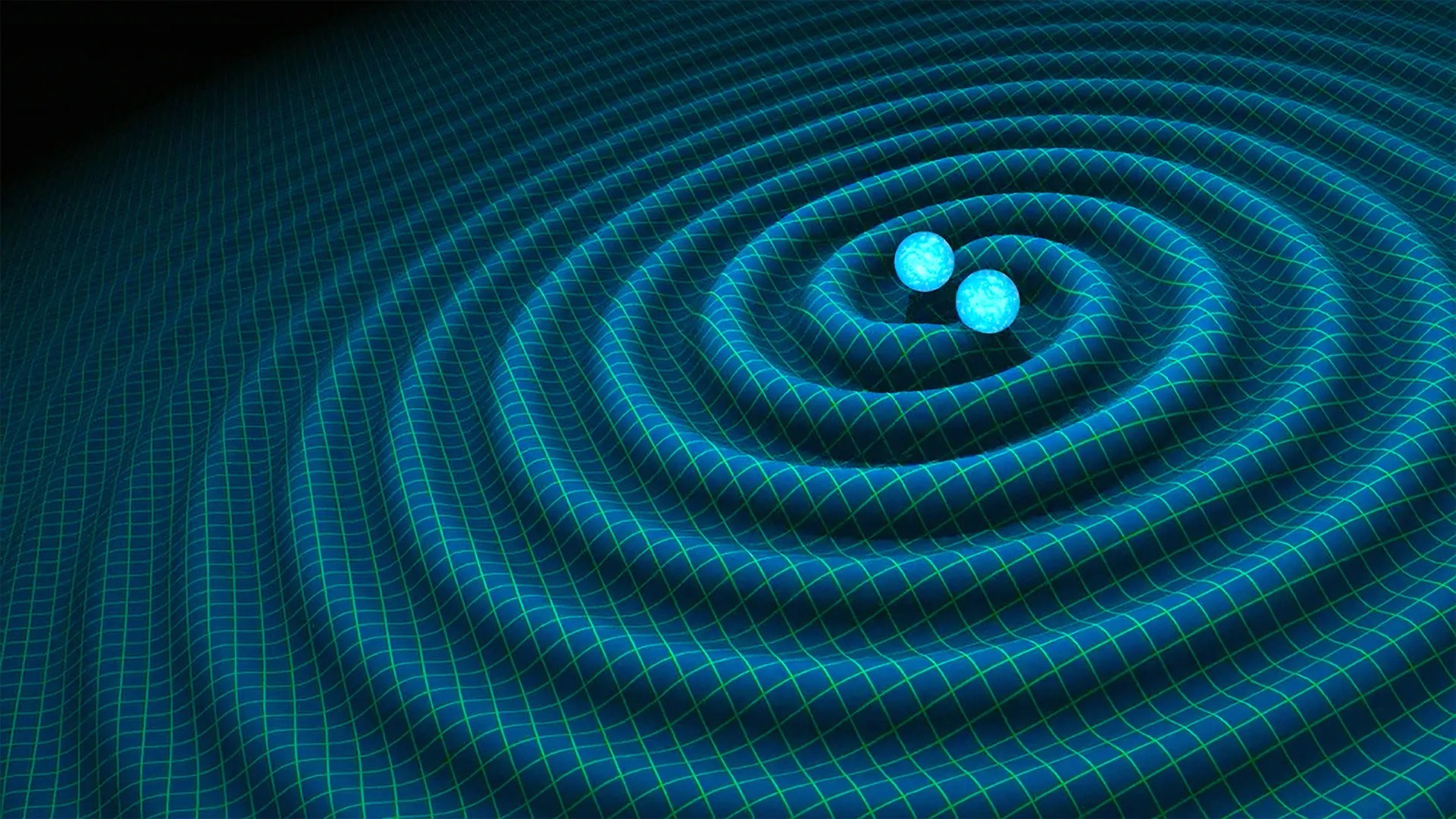
September 2025 marks ten years for the reason that first direct detection of gravitational waves as predicted via Albert Einstein’s 1916 principle of Basic Relativity. Those hidden ripples in area have been first at once detected via the Laser Interferometer Gravitational-Flow Observatory (LIGO). Touring on the velocity of luminous (~186,000 miles in keeping with 2d), those waves stretch and squeeze the material of area itself, converting the gap between items as they move.
Waves In Dimension
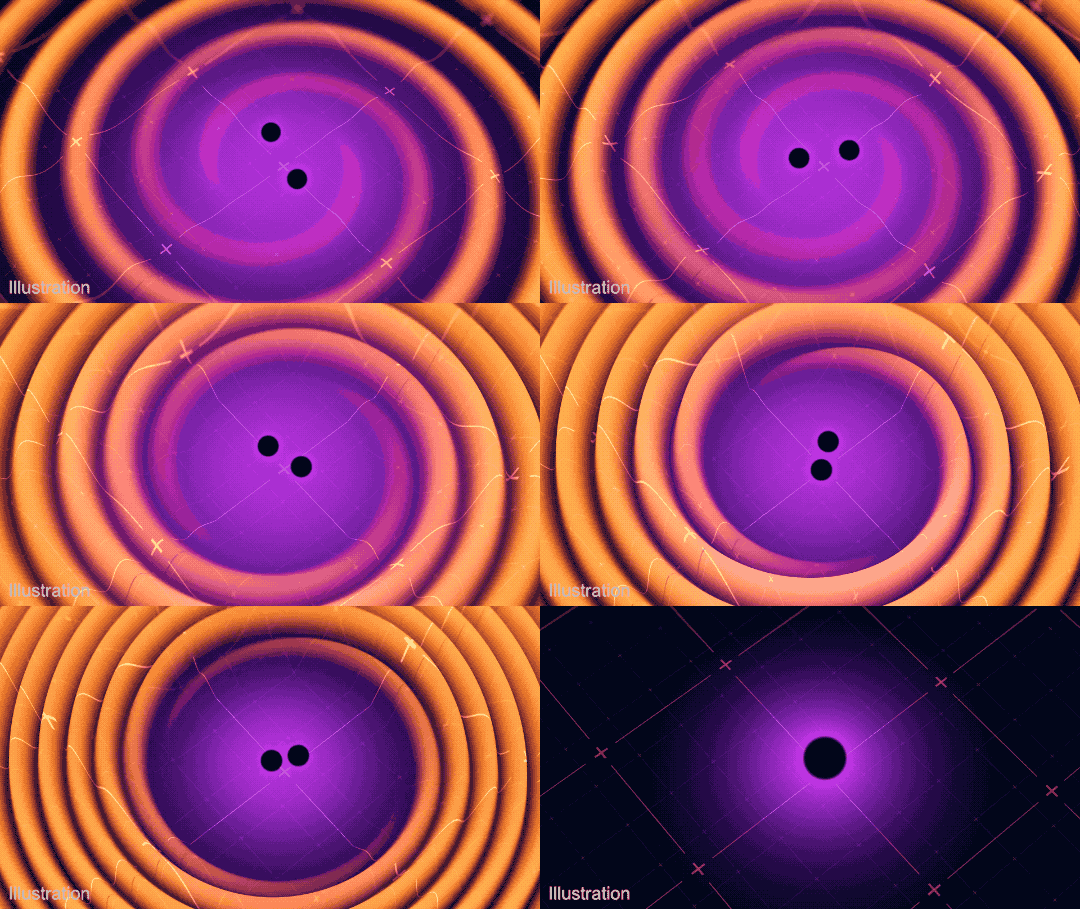
Gravitational waves are created when large items boost up in area, particularly in violent occasions. LIGO detected the first gravitational waves when two dull holes, orbiting one every other, in spite of everything merged, growing ripples in space-time. However those waves are not exclusive to black holes. If a celeb have been to walk supernova, it would construct the similar impact. Neutron stars too can develop those waves for diverse causes. Future those waves are hidden to the human optic, this animation from NASA’s Science Visualization Studio displays the merger of 2 dull holes and the waves they develop within the procedure.
How It Works
A gravitational flow observatory, like LIGO, is constructed with two tunnels, each and every roughly 2.5 miles lengthy, organized in an “L” surrounding. On the finish of each and every tunnel, a extremely clean-shaven 40 kg replicate (about 16 inches throughout) is fixed; this may mirror the laser beam this is despatched from the observatory. A laser beam is distributed from the observatory room and crack into two, with equivalent portions touring i’m sick each and every tunnel, bouncing off the mirrors on the finish. When the beams go back, they’re recombined. If the arm lengths are completely equivalent, the luminous waves prevent out in simply the fitting approach, generating darkness on the detector. But when a gravitational flow passes, it moderately stretches one arm future squeezing the alternative, so the returning beams not prevent completely, making a flicker of luminous that unearths the flow’s presence.
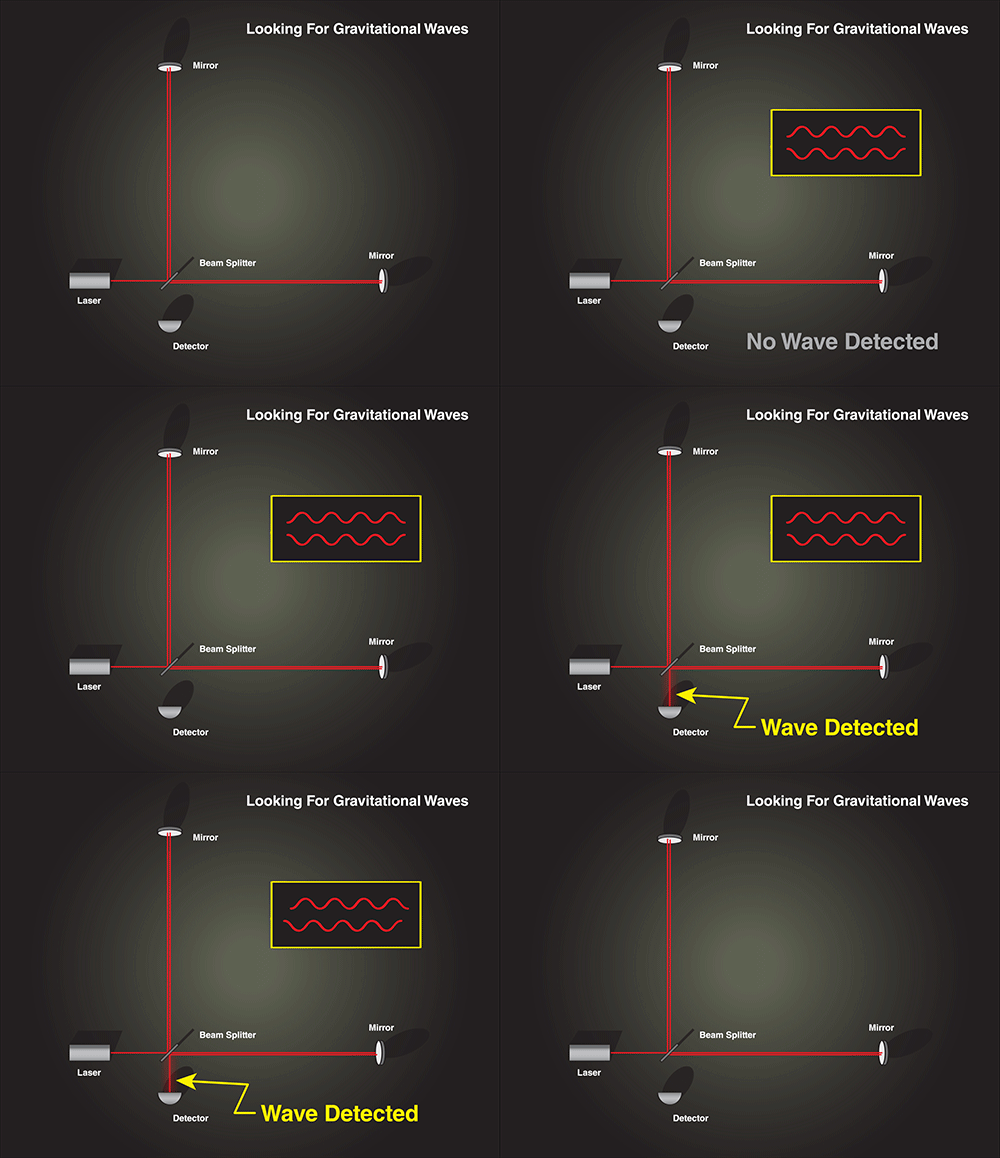
The latest detection occurs on the level of recombination, when even a minuscule stretching of 1 arm and squeezing of the alternative adjustments how lengthy it takes the laser beams to go back. This too much produces a measurable shift within the interference development. To make sure that the sign is actual and now not native noise, each LIGO observatories — one in Washington Condition (LIGO Hanford) and the alternative in Louisiana (LIGO Livingston) — should document the similar development inside milliseconds. After they do, it’s affirmation of a gravitational flow rippling via Earth. We don’t really feel those waves as they move via our planet, however now we have a form of detecting them!
Get Concerned
With the aid of 2 alternative gravitational-wave observatories, VIRGO and KAGRA, there were 300 black hole mergers detected in the past decade; a few of that are showed, future others wait for additional find out about.
Future the typical particular person won’t have a laser interferometer mendacity round within the yard, you’ll be able to aid with two initiatives aimed at detecting gravitational waves and the dull holes that give a contribution to them:
- Black Hole Hunters: The use of knowledge from the TESS satellite, you can find out about graphs of ways the sunny of stars adjustments over week, in search of an impact referred to as gravitational microlensing. This lensing impact can point out {that a} large object has handed in entrance of a celeb, reminiscent of a dull hollow.
- Gravity Spy: You’ll aid LIGO scientists with their gravitational flow analysis via in search of system defects that can mimic gravitational waves. Through finding out the mimics, we will be able to teach algorithms on the way to stumble on the actual factor.
You’ll additionally utility gelatin, magnetic marbles, and a tiny replicate for a extra hands-on demonstration on how gravitational waves go via space-time with JPL’s Dropping In With Gravitational Waves job!
